Automating Excellence: How an Agentic AI Ecosystem Eradicated Operational Bottlenecks and Transformed UX Delivery
Modern organizations do not scale by simply hiring more analysts; they scale through intelligent process orchestration. By deploying a bespoke Agentic AI ecosystem, we transformed weeks of manual UX audits into an automated value stream, reclaiming hundreds of man-hours and fundamentally elevating the strategic role of the design team.
The Challenge: Operational Bottlenecks Across 29 Markets
Managing user experience at a global scale often falls victim to its own success. Before our transformation, the accessibility (WCAG) and behavioral audit process was an operational bottleneck. Manually scanning pages using three fragmented tools (averaging 20 minutes per 5 key subpages), capturing screenshots, analyzing data in Excel, and generating static PDF reports took weeks to complete. We possessed the data, but it was siloed across 20 different research platforms (ranging from Hotjar to localized tools), making real-time synthesis impossible.
This lack of unification not only generated massive technical debt and wasted resources but also exposed the business to the risk of non-compliance with strict accessibility standards. Scaling across 29 international markets required a radical paradigm shift—from manual labor to automated data synthesis.
Solution Architecture:
The Autonomous Ecosystem
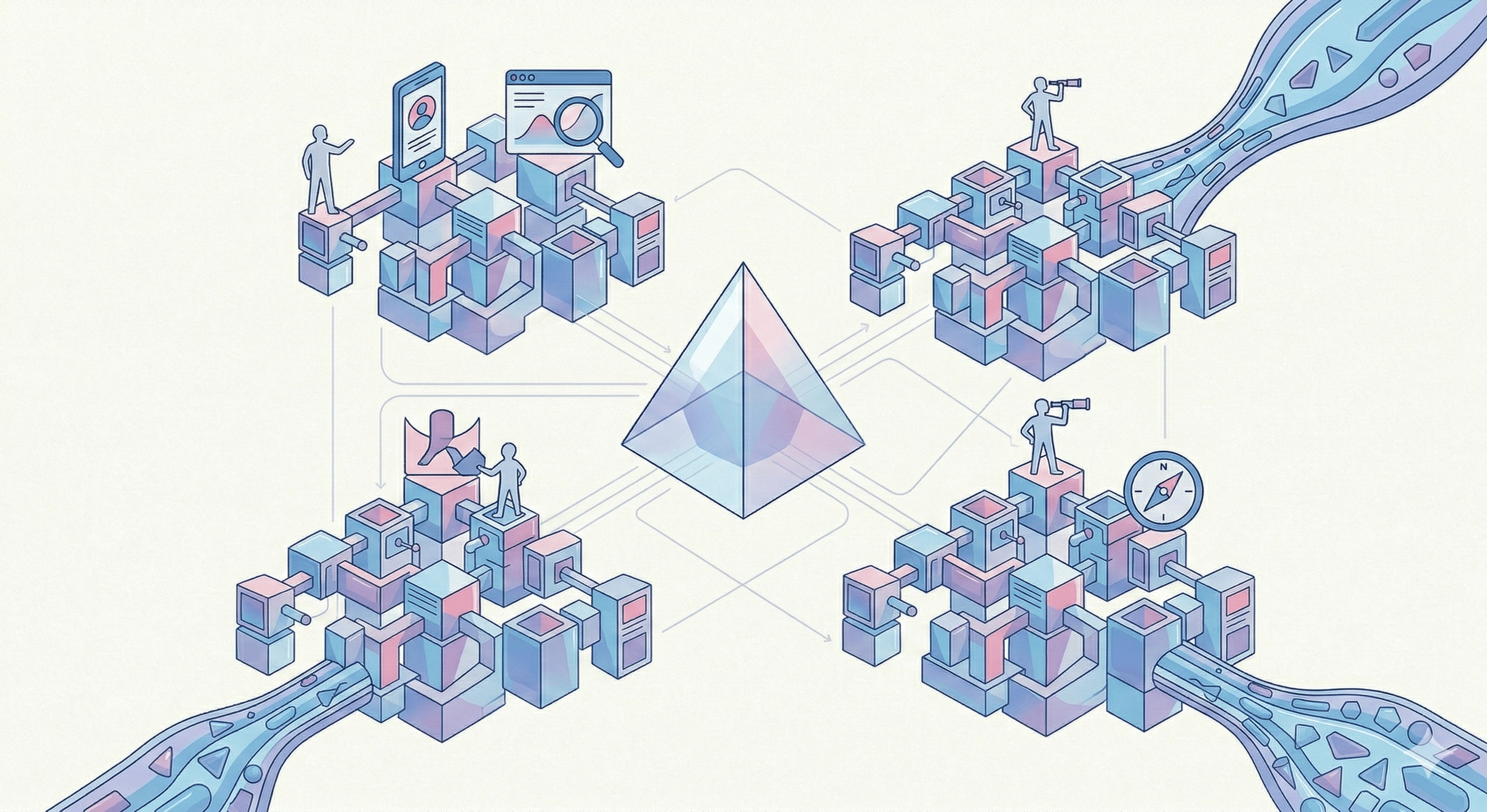
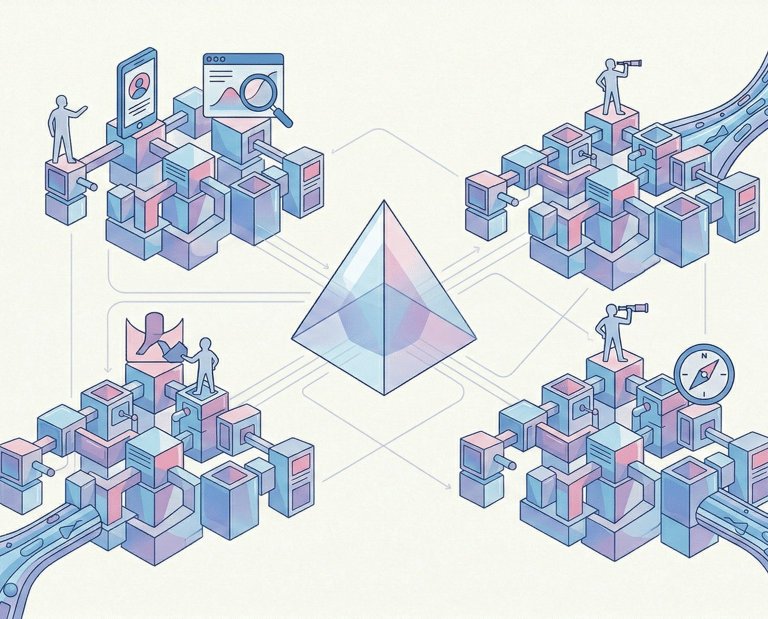
Instead of adding more tools to the stack, I unified the data architecture, anchoring it entirely in MS Clarity, and engineered a multi-layered Agentic AI ecosystem around it. We are not talking about simply typing prompts into ChatGPT. We created a framework where Artificial Intelligence operates autonomously on multiple levels, while humans only verify the outputs and make strategic decisions.
1. Automated Audit Agent (WCAG): This agent autonomously scans production environments, code, and UI design. Instead of dumping raw data, it delivers a comprehensive, value-add package in a fraction of a second:
A prioritized hierarchy of accessibility violations accompanied by screenshots.
An auto-generated CSV file for trend tracking and a ready-to-publish "Accessibility Statement."
An Executive Summary for the C-suite and, crucially, an analysis for developers translated from legal compliance jargon into clear, actionable acceptance criteria.
Shift-Left Testing: A streamlined version of this tool was integrated directly into our QA pipeline (Jenkins). Consequently, after every deployment, we automatically verify the accessibility status, blocking critical errors before they reach production.
2. Behavioral Data Synthesis Agent: This script communicates via API with MS Clarity to harvest, deduplicate, and organize massive datasets. The AI calculates custom-defined metrics (e.g., Frustration Score), pinpoints markets with the highest conversion blockers, and precisely targets session recordings that require human attention. The agent synthesizes these insights far more accurately than standard out-of-the-box solutions, while minimizing the risk of AI hallucinations through strict script constraints.
Breaking the Resistance: Stakeholder Management
Innovation inevitably faces friction. Implementing this ecosystem required navigating the concerns of two critical stakeholder groups:
The Board & Security: The business’s primary concern was data security and the perceived risk of new technology in a regulated environment. We mitigated this by implementing rigorous data compliance policies. We process exclusively anonymized telemetry data through secured APIs, ensuring that no Personally Identifiable Information (PII) ever feeds public LLM models.
Engineering Teams: Initially, developers perceived the new system as a generator of extra work ("just more bug reports"). The breakthrough occurred when they realized the AI Agent wasn't just pointing out flaws from a UX perspective, but delivering ready-made, technical solutions (meta-level communication) and automating Jenkins tests. The system stopped being the enemy and became a vital support mechanism for IT.
Business Results:
Time is Currency
The deployment of the Agentic AI ecosystem delivered an immediate and measurable Return on Investment (ROI):
Lead Time Reduction: We slashed the time required for audits from several weeks to mere minutes. Complex analyses now run in the background, freeing up massive reserves of human capital.
Team Transformation: Paradoxically, automation made us more "human-centric." UX Designers, liberated from the tedious tasks of manually analyzing heatmaps and WCAG testing, gained the bandwidth for what truly matters: in-depth user interviews, qualitative research, and strategic product discovery. Armed with condensed, AI-driven insights, they now ask better questions and more accurately identify the root causes of customer friction.
Automating UX processes is no longer just a technological novelty for us. It has become the foundational pillar of our business scaling strategy, enabling the organization to deliver high-value, barrier-free digital products across 29 markets faster than ever before.